In the heart of the Jamaican night, a unique culinary tradition comes alive not in restaurants, but along the roadside. As the clock strikes two in the morning, the journey home for many islanders is punctuated by an irresistible aroma—a sweet, smoky perfume woven from barbecue smoke, Scotch bonnet peppers, scallions, and thyme. This is the calling card of the pan chicken vendor, an entrepreneur whose makeshift grill, crafted from a halved oil drum with added handles, legs, a grate, and a chimney, becomes a beacon of sustenance. For the weary traveler, those first bold, char-kissed bites are more than a meal; they are a comforting ritual, a final savory note that settles the stomach and promises a peaceful sleep. This is Jamaica's ultimate fast food: quick, hot, smoky, and perfectly spiced, a dish born from ingenuity and community.
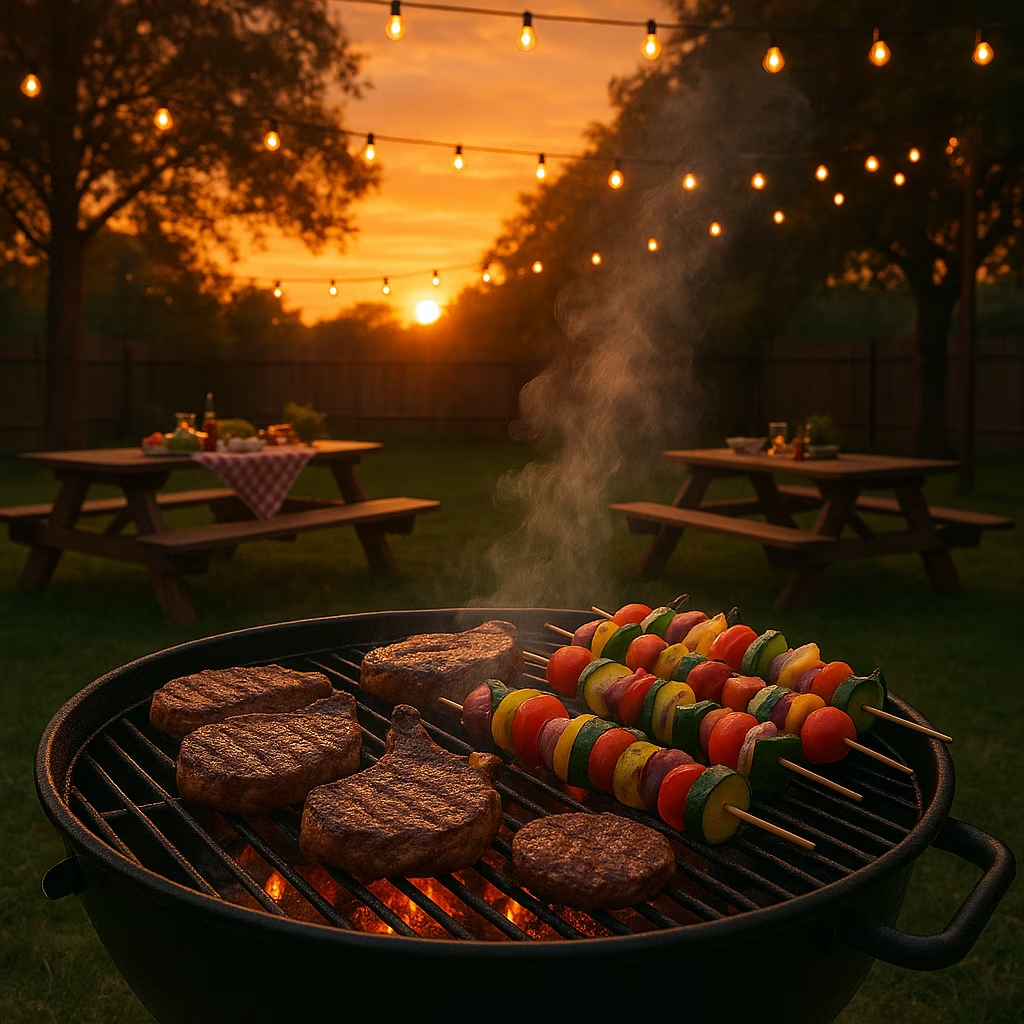
To the uninitiated, especially visitors from abroad, this might be mistaken for its famous cousin, jerk chicken. However, pan chicken stands as a distinct entity, a dish with its own soul. The most critical differentiator is the absence of pimento wood. Authentic jerk cooking is intrinsically linked to the smoky, sweet fragrance of burning pimento logs, a flavor pan chicken deliberately forgoes. Instead, pan chicken draws its character from the pure heat of the coals in its drum pan, achieving a clean char without the woody sweetness. Furthermore, while highly seasoned, pan chicken is not traditionally spicy; it lacks the mouth-searing Scotch bonnet heat that defines jerk, focusing instead on a deep, aromatic marinade that penetrates the meat. It's a common misconception that leaves many tourists unaware of this delightful late-night treasure, while locals navigate by the glow of these grill fires like sailors following lighthouses along a culinary coast.
The preparation is a spectacle of efficiency. Each vendor is a self-contained kitchen, armed with a large cooler of marinated chicken, a formidable chopping knife, tongs, and a worn cutting board. The process is a well-rehearsed dance:
-
The Order: You pull over, drawn by the scent.
-
The Grill: A piece of chicken is retrieved from the drum, its skin glistening.
-
The Chop: With swift, precise blows, the vendor chops the chicken into manageable pieces right on the board.
-
The Wrap: The pieces are nestled into aluminum foil, anointed with ketchup and a (optional) dash of fiery homemade pepper sauce.
-
The Crown: Two slices of iconic Jamaican hardo bread are placed atop like a savory blanket before the foil is sealed, creating a steaming, self-contained package of joy.
Every self-respecting Jamaican has a favorite vendor, a personal champion in an unspoken league. This popularity is so profound that it has spawned official competition. One of the island's major poultry suppliers hosts an annual Pan Chicken Championship, where masters from every parish gather to battle for supremacy, their secret marinades and techniques on full display. The beauty of the dish lies in this very individuality—there is no single, fixed recipe. Each vendor's version is a signature, as unique as a fingerprint, with a cooking style as personal as a handwritten letter.
For the home cook seeking to capture this magic, the journey begins with the marinade. The goal is to build layers of flavor that seep into every fiber of the chicken. A paste is blitzed from a fragrant choir of ingredients: a bundle of scallions, knobs of ginger, cloves of garlic, a single Scotch bonnet (for aroma, not inferno), oil, soy sauce, brown sugar, fresh thyme, vinegar, salt, paprika, turmeric, and black pepper. The key technique? Rubbing this emerald-hued paste under the skin of the chicken. This ensures the seasoning doesn't just coat the surface but penetrates deeply, flavoring the meat from the inside out, like roots drawing nutrients deep into fertile soil. An extra batch of marinade can be frozen for future use, a time capsule of flavor ready for your next grill session.
The cooking method is a two-act play designed for perfection. The chicken is not thrown directly over the raging coals. Instead, it starts its journey on the cooler side of the grill, away from the direct, intense heat. With the lid closed, the chicken is gently enveloped in a convection current of smoky air. This indirect heat cooks the meat through evenly and gently, ensuring it becomes tender and moist without any risk of burning the exterior—a slow, steady infusion of heat that coaxes the chicken to doneness as patiently as a potter shapes clay on a wheel.
Act two is where the magic of the street is captured. Once the chicken is cooked through, it takes a final, fiery voyage directly over the hot coals. This is the moment for browning and char. Do not shy away from letting the skin blister and blacken in spots. A little singe is not a flaw; it is an essential note in the flavor symphony. That crisp, slightly bitter char is the soul of pan chicken, the very element that replicates the taste of those beloved roadside drums. It’s the culinary equivalent of the crackle in a vinyl record—a textured imperfection that defines authenticity.
Finally, serve it as the experts do. Squeeze fresh lime over the charred, succulent pieces. Offer ketchup and a bottle of Scotch bonnet pepper sauce (like Walkerswood or Grace brand) for those who dare. And most importantly, serve it with slices of Jamaican hardo bread, the perfect vehicle to soak up every last drop of juice and sauce. In 2025, as food trends come and go, the enduring appeal of pan chicken remains—a testament to simple, powerful flavors and the vibrant street food culture of Jamaica that turns a routine drive home into an unforgettable gastronomic adventure.
Quick Guide: Pan Chicken vs. Jerk Chicken
| Feature | Pan Chicken | Jerk Chicken |
|---|---|---|
| Heat Source | Charcoal in oil drum | Pimento wood & charcoal |
| Key Flavor | Clean char, herbal marinade | Smoky, sweet pimento, intense heat |
| Spice Level | Highly seasoned, not typically spicy | Very spicy (Scotch bonnet-forward) |
| Availability | Late night roadside (often 4 PM - 4 AM) | Daytime at dedicated jerk centres |
| Serving Style | Chopped, foiled with bread | Often sold by the portion, with festival/bread |