Across backyards and bustling kitchens in 2026, a long, flat cut of beef continues to steal the spotlight from more expensive rib-eyes and tenderloins. The skirt steak, sourced from the diaphragm of the steer, has a rich, intensely beefy flavor that few other cuts can match. Yet, many home cooks still shy away from it, often due to a previous encounter with a tough, improperly prepared version. A properly grilled skirt steak, however, delivers a sublime combination of a deeply seared crust and a tender, juicy interior.
The confusion around skirt steak often begins at the butcher counter. It is not a single uniform cut but rather two distinct muscles with different characteristics. The outside skirt steak comes from the plate section, located below the rib and nestled between the brisket and flank. Traditionally prized for classic Texas fajitas, the outside cut is thicker, wider, and usually arrives with a tough membrane that must be trimmed away before it sees any heat. The inside skirt steak, which originates from the flank, is noticeably narrower and thinner. It typically comes with the membrane already removed, making it the more common choice found in supermarkets and butcher shops today. While the outer skirt holds legendary status in certain regions, the techniques for achieving greatness apply seamlessly to the readily available inside cut.
Grilling skirt steak is a study in harnessing intense heat. Unlike thicker steaks that require a slower roast to reach the desired internal temperature, the thin profile of a skirt steak demands a scorching amount of direct energy. The goal is to develop a dark, complex crust on the expansive surface area without overcooking the interior into a leathery state. A pile of lit charcoal arranged in a chimney starter and placed close together can easily push temperatures beyond 700°F (370°C), creating the ideal searing environment. A cast iron pan heated until it smokes can work in a pinch, but the open grate of a grill accommodates the steak's length more comfortably. The cooking process over this blistering heat is measured in mere minutes. Each side needs just enough time to form a beautiful char while leaving the center a perfect medium-rare to medium. Pushing the doneness beyond medium invites the unwelcome density and chewiness that gives this cut an undeserved bad reputation.
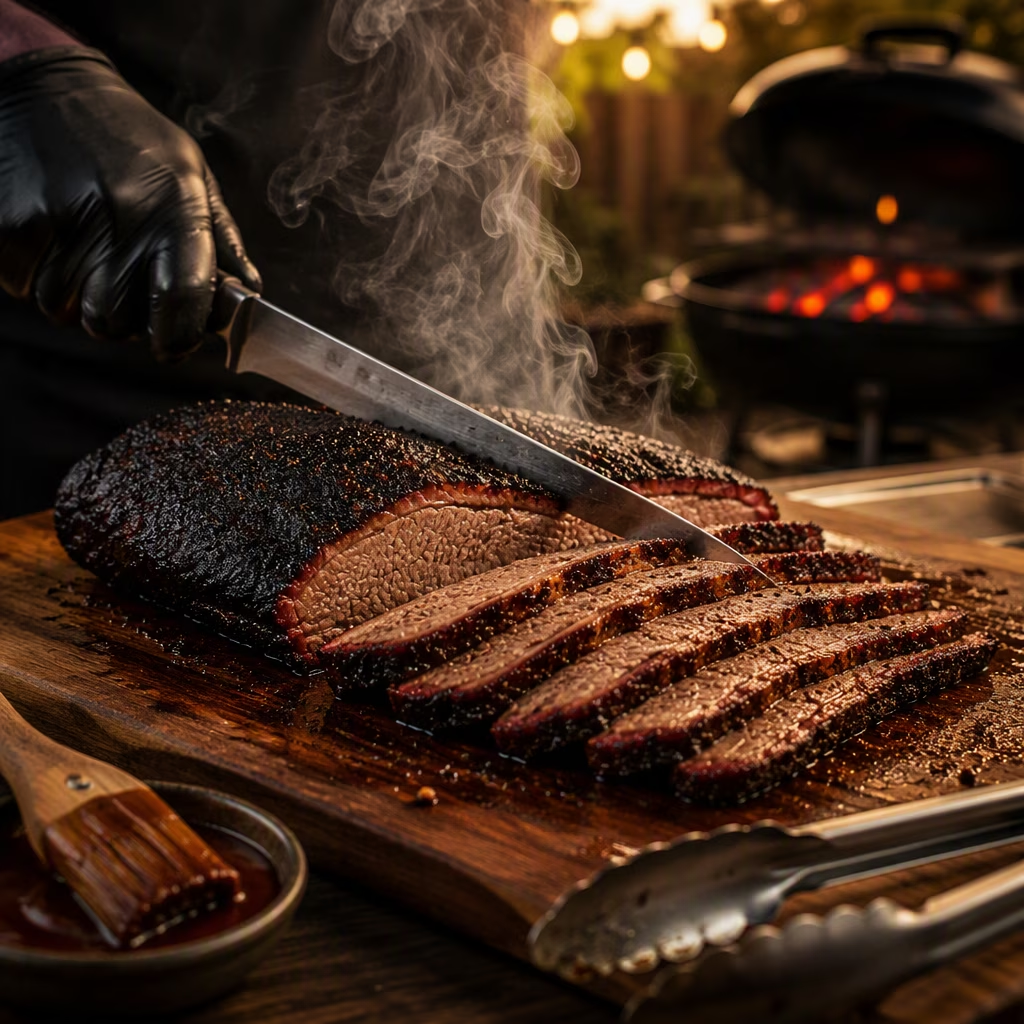
Once the steak leaves the grill, a critical pause of about ten minutes allows the juices to redistribute. However, heat management is only half the equation. The second non-negotiable rule for serving a flawless skirt steak lies in how it meets the knife. The grain, those long, parallel muscle fibers visible across the meat, is the enemy of tenderness if ignored. Cutting directly into a whole piece of skirt with the grain produces ribbons of beef that are mighty in flavor but require an aggressive, jaw-tiring chew. To defeat this, a two-stage slicing method is essential. First, the grilled steak is cut into manageable three-to-four-inch sections, following the direction of the grain. Then, each section is rotated ninety degrees and sliced against the grain into thin strips roughly a quarter of an inch thick. This simple geometry shortens the muscle fibers drastically, transforming the inherent structure of the cut into morsels that practically melt.
Skirt steak possesses such a bold, mineral-rich character that it requires very little adornment. A minimalist approach of coarse salt, freshly cracked black pepper, and a light coating of neutral oil is often all it takes to produce a versatile foundation for salads and grain bowls. The meat’s savory depth pairs wonderfully with peppery greens like arugula and a zesty, acidic dressing that cuts through the richness. A cilantro-lime vinaigrette, bright with fresh herbs and citrus, can elevate a simple grilled skirt into a stunning warm salad.
For those who crave a more assertive crust, a marinade acts as a powerful flavor amplifier. A wet or paste-like mixture not only seasons the surface but also aids in building a crust that crackles with spice and caramelized depth. A chile-spiced marinade, blending smoky dried chiles, garlic, and a touch of citrus, creates a rough, aromatic bark that intensifies the already robust beefiness. This style of preparation lends itself perfectly to tacos, with the sliced steak tucked into warm corn tortillas and finished with chopped white onion, fresh cilantro, and a crema spiked with more cilantro. The contrast of the spicy, charred meat against the cool, creamy elements and the sturdy, soft tortilla becomes a weeknight feast that belies its simplicity.
The magic of a well-executed skirt steak lies in its ability to command attention on the plate despite its modest cost. The combination of a screaming-hot fire, a disciplined resting time, and an exacting knife stroke unlocks a texture that silences any previous doubts. Whether served as the centerpiece of a classic carne asada with chimichurri, a tangy mojo marinade, or simply sliced and fanned out over a bed of dressed greens, this cut consistently rewards the cook who respects its unique anatomy. As the fire dies down and the last strip of steak disappears, the only regret tends to be that there were not seconds.