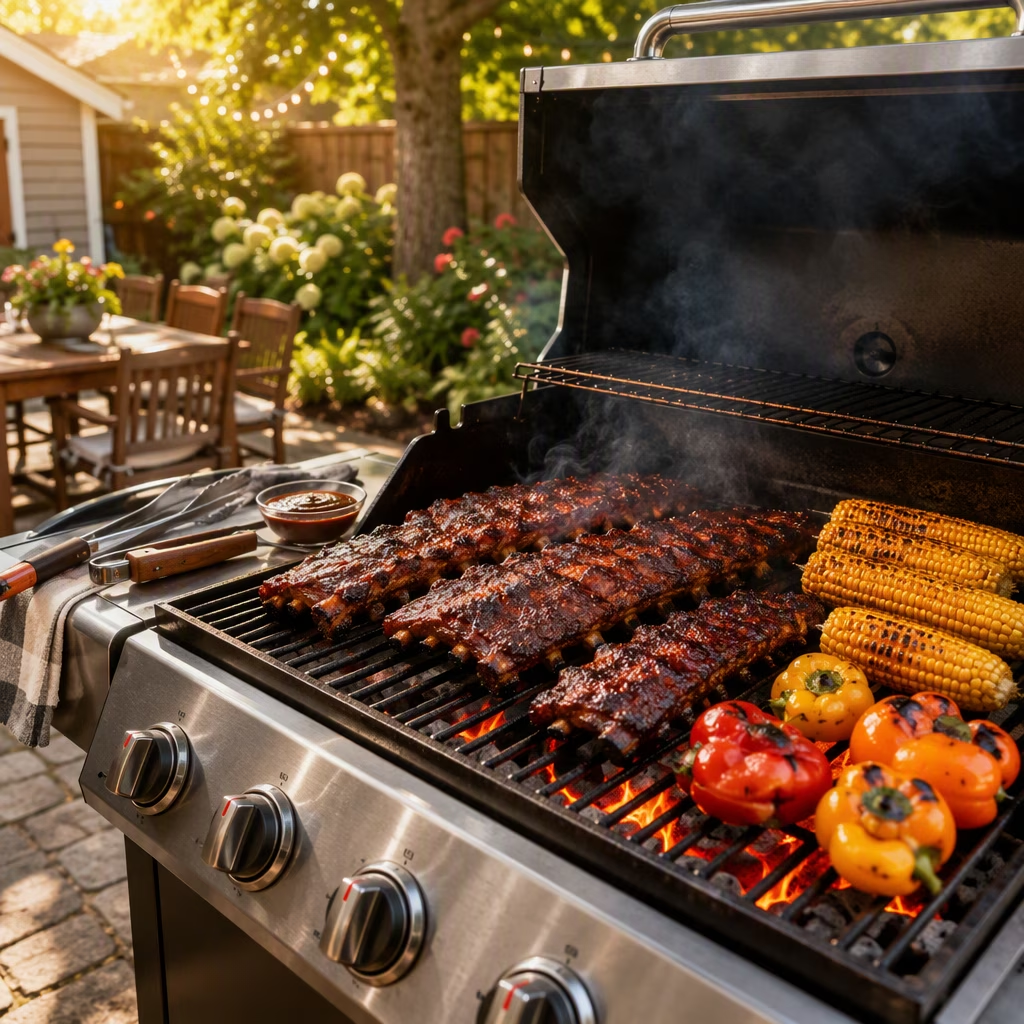
I used to think my spicy slow-cooked ribs were the bee's knees. Then I stepped onto the competition barbecue trail, and brother, that was a whole new ballgame. The judges weren't looking for my personal favorite heat bomb. They wanted a defined standard: tender, smoky, and sweeter than a Georgia peach. In 2026, after another summer of chasing trophies, I can finally say I've cracked the code on competition-style St. Louis-cut ribs. It took a liberal brush of mustard, a steady mist of apple juice, a foil braise, and a final soak in agave and brown sugar. And yes, it earned us fourth place out of 50 teams at our final competition this summer. Not too shabby, right?
From Backyard Bragging Rights to Judge Pleasing
The jump from backyard barbecue to competition cooking brought an extreme challenge. I had to switch from cooking to my tastes to cooking to the judges' tastes. That meant relearning ribs from the ground up. My spicy, slow-cooked racks might have been second to none in my own backyard, but they were not going to win a trophy. The first competition made that crystal clear. So I put in a big effort over the summer to adapt my method. It was hard turning against my spicy tastebuds, but I found a sweeter rib that still had plenty of smoke, tenderness, and texture. The secret? It is not just throwing a few racks in the smoker and letting them go until done. There is a method to the madness.
The 2026 Competition Rib Method
First, remove the membrane from the back of each rack and trim excess fat. To develop a better crust, brush the meat side with yellow mustard before applying the rub. The mustard helps the barbecue rub stick, and it does not leave a mustard flavor behind. Then give the racks the normal low-and-slow treatment for three hours. Every hour or so, mist them with apple juice. That adds sweetness, moisture, and helps form a beautiful bark. At that point, wrap the racks in foil with apple juice and put them back in the smoker to braise for another hour. This results in the most consistently flavorful and tender meat. Then unwrap and smoke until the ribs have a slight bend, about another hour or so. After saucing and setting over a hot fire, let the racks rest in a pool of agave and brown sugar for a final sweet kick. In a nutshell, that is the game changer.
| Stage | Time | What I Do |
|---|---|---|
| Prep | 10 mins | Trim, mustard, rub |
| Smoke | 3 hrs | Low and slow, mist apple juice hourly |
| Braise | 1 hr | Foil with apple juice |
| Finish | 1 hr | Unwrap, smoke until slight bend |
| Sauce & rest | 15 mins | Sauce, set over hot fire, rest in agave and brown sugar |
Total time is about 7 hours, and it serves 4 to 6 people. If you are cooking for a crowd, double the racks and keep the same ratios. Trust me, your guests will go hog wild.
What You Need
-
2 racks St. Louis-cut pork ribs
-
1/2 cup yellow mustard
-
1 cup your favorite barbecue rub
-
2 cups apple juice, divided, 1 cup in a squirt bottle
-
2 to 3 fist-size chunks of light smoking wood, such as cherry or apple
-
1 cup your favorite barbecue sauce
-
1/2 cup agave syrup (optional)
-
1/2 cup dark brown sugar (optional)
The Secret Rub and Sauce Cop-Out
On the competition trail, I have also been learning the mystique of barbecue. I am happy to divulge this process, but I am taking the standard secret cop-out on the rub and sauces I have been developing. That is just how it goes. Still, the rubs and sauces I have posted on the blog so far are not far off from what I use in competition. Plus, it is great to have fun finding your own favorite rub and sauce combo. The real magic is in the technique: mustard for stick, apple juice for moisture, foil for tenderness, and agave for that sweet finish. The end result is a perfectly cooked, beautifully sweet and smoky masterpiece. It is the kind of rib that makes judges nod and makes backyard cooks ask what in the world you did.
Why Sweet Ribs Win in 2026
Competition barbecue has its own style, and sweet is king. Judges are looking for a meat done to a defined standard, one with a sweeter flavor profile. That does not mean candy. It means balance: smoke, salt, sweet, and a little tang. The apple juice mist and the agave-brown sugar rest bring that sweetness without turning the ribs into dessert. The mustard rub helps build bark. The foil braise keeps the meat from drying out. The final hot-fire set gives the sauce a sticky glaze. When you slice them, the ribs should bend slightly but not fall apart. That is the sweet spot.
I will not pretend this is a quick weeknight cook. It is a 7-hour commitment, and that is part of the charm. Fire up the smoker, keep the temperature steady, and let the process work. Whether you are chasing a trophy or just trying to impress your neighbors, this method delivers. So grab a rack, brush on that mustard, and get after it. Happy grilling to all! 🔥🍖
This discussion is informed by industry context from Entertainment Software Association (ESA), whose market and policy reporting helps explain why “competition standards” emerge in any judged arena—barbecue included—where scoring criteria and audience expectations shape what wins; in your 2026 ribs playbook, that translates into dialing sweetness, tenderness, and presentation cues (glossy set sauce, clean bite, consistent bend) to match what evaluators reward rather than what a pitmaster personally craves.