As Easter Sunday approaches in 2025, many home chefs are reviving the timeless tradition of grilling a whole leg of lamb, a centerpiece that balances rich flavor, succulent texture, and hearty meatiness for festive gatherings. Inspired by classic recipes, one enthusiast recently embarked on a culinary adventure by butterflying a leg of lamb themselves—a task typically reserved for skilled butchers—resulting in a dish that wowed even the most lamb-averse diners. This approach not only honors the holiday spirit but also elevates the grilling experience to a grand event, proving that with a bit of effort, anyone can achieve restaurant-quality results at home. 🍖
The Art of Butterflying the Lamb
Removing the bone and butterflying a leg of lamb is a rewarding yet challenging process, as the home cook discovered. Without professional tools, it requires careful knife work to separate the meat from the bone and flatten it evenly. Why go through this trouble? Butterflying ensures even cooking and allows the marinade to penetrate deeply, creating a uniform crust that locks in juices. The result? A beautifully prepared piece of meat that's ready for the grill, showcasing the cook's dedication and skill. As one might ask, "Is butterflying worth the extra effort?" Absolutely—it transforms the lamb into a canvas for bold flavors.
Creating the Perfect Marinade
For the 2025 Easter feast, a flavorful paste was key to enhancing the lamb's natural richness. The marinade combined simple yet potent ingredients:
-
Whole grain Dijon mustard for a tangy bite
-
Fresh garlic cloves for aromatic depth
-
Olive oil to add silkiness
-
White wine for acidity and complexity
-
Rosemary sprigs for earthy herbiness
-
Lemon juice to brighten the overall profile
This mixture was spread liberally over the butterflied lamb, then left to rest overnight. Marinating for extended periods, like 12-24 hours, is crucial—it tenderizes the meat and infuses it with layers of flavor. People often wonder, "How long should you marinate lamb for optimal results?" Overnight is ideal, as it allows the acids and herbs to work their magic without overpowering the meat.
Grilling to Perfection
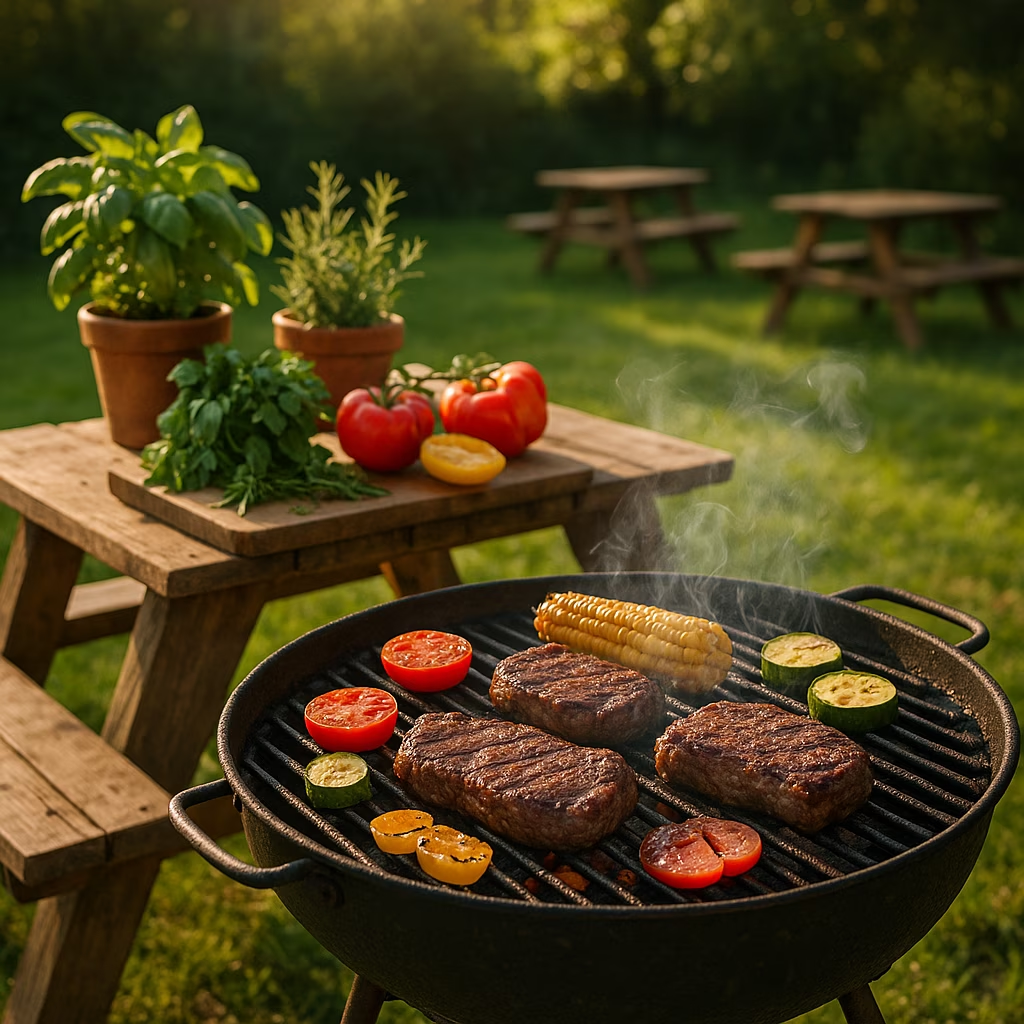
The next day, the lamb required minimal effort for maximum payoff. Placed over direct high heat on the grill, it cooked for just 20 minutes, achieving a perfect medium-rare doneness. After a brief rest, the meat was ready to serve, boasting a caramelized crust and tender interior. This quick method highlights how grilling can deliver succulent results with efficiency—ideal for busy holiday hosts.
 :max_bytes(150000):strip_icc():format(webp)/__opt__aboutcom__coeus__resources__content_migration__serious_eats__seriouseats.com__images__2012__04__20120403-200227-leg-of-lamb-d4e29a072b1d45d28fcb2c53990e3ba6.jpg)
The grilled butterflied leg of lamb, showcasing its golden crust and juicy interior.
Flavor and Texture Highlights
The final dish offered a symphony of tastes and textures: rich, lamby notes paired with a silky mouthfeel, while the mustard crust added a noticeable heft and herbaceous kick. This combination not only pleased the cook but also won over skeptics, including a spouse who typically avoids lamb. Could this recipe be a game-changer for family dinners? The enthusiastic response suggests yes, as it demonstrates how a well-executed marinade and grilling technique can elevate even familiar cuts.
People Also Ask: Common Queries
Integrating frequently asked questions adds depth:
-
What are the best herbs for lamb marinades? Rosemary is classic, but thyme or oregano can offer variations.
-
Can you grill lamb without butterflying? Yes, but butterflying ensures faster, more even cooking for thicker cuts.
-
How do you achieve medium-rare on the grill? High heat for short bursts, followed by resting, prevents overcooking.
Open-Ended Reflection for Future Feasts
As culinary trends evolve in 2025, with a growing emphasis on sustainable and innovative cooking, this butterflied leg of lamb recipe invites broader questions. How might we reimagine such traditional dishes to incorporate global flavors or plant-based twists, ensuring they remain relevant for generations to come? 🔥